We all have that one class where the clock seems to tick in slow motion. You’ve already decided you’re “bad” at the subject, so you spend 48 minutes staring at the wall or checking your phone under the desk. But when the bell rings and you walk down the hall, suddenly you’re the smartest person in the room. The difference isn’t the difficulty of the material, it’s the energy of the room.
As high school students, we often believe that our academic likes and dislikes are hardwired into our DNA. We tell ourselves we’re just “bad at math,” or “bored by history.” However, we rarely stop to consider that our academic identity is often less about our internal wiring and more about the person standing at the front of the room.
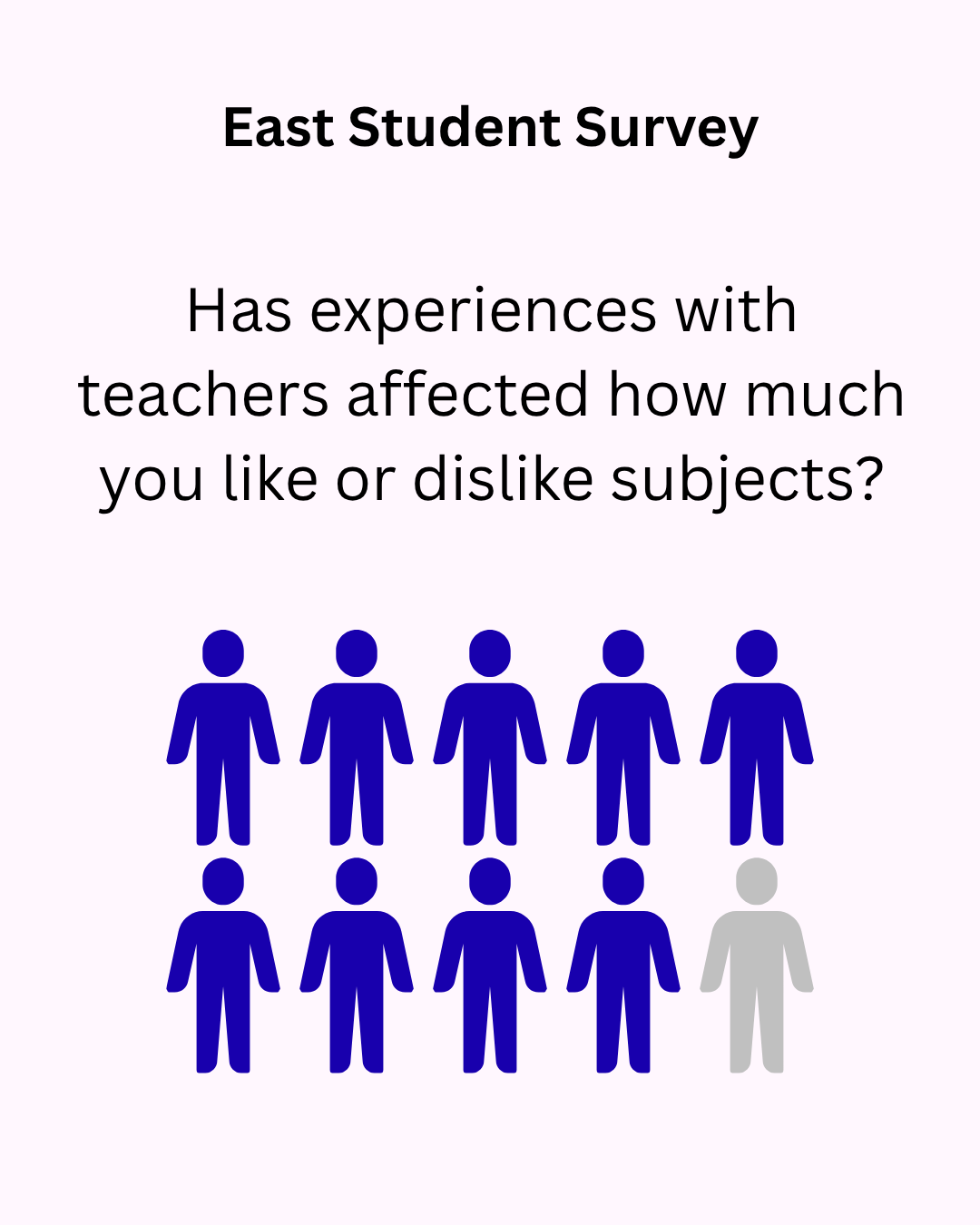
“I used to feel okay about science but my current science teacher makes me dread going to that class, ” an anonymous student said. “I also love all art so I joined digital media and design, but my teacher just makes me feel stupid and assumes I’m not listening.”
When the person meant to guide us through a subject becomes a barrier instead of a bridge, we don’t just lose interest in the class, we lose confidence in our academic ability. Yet, the opposite is also true; a single teacher can rewrite a student’s entire narrative.
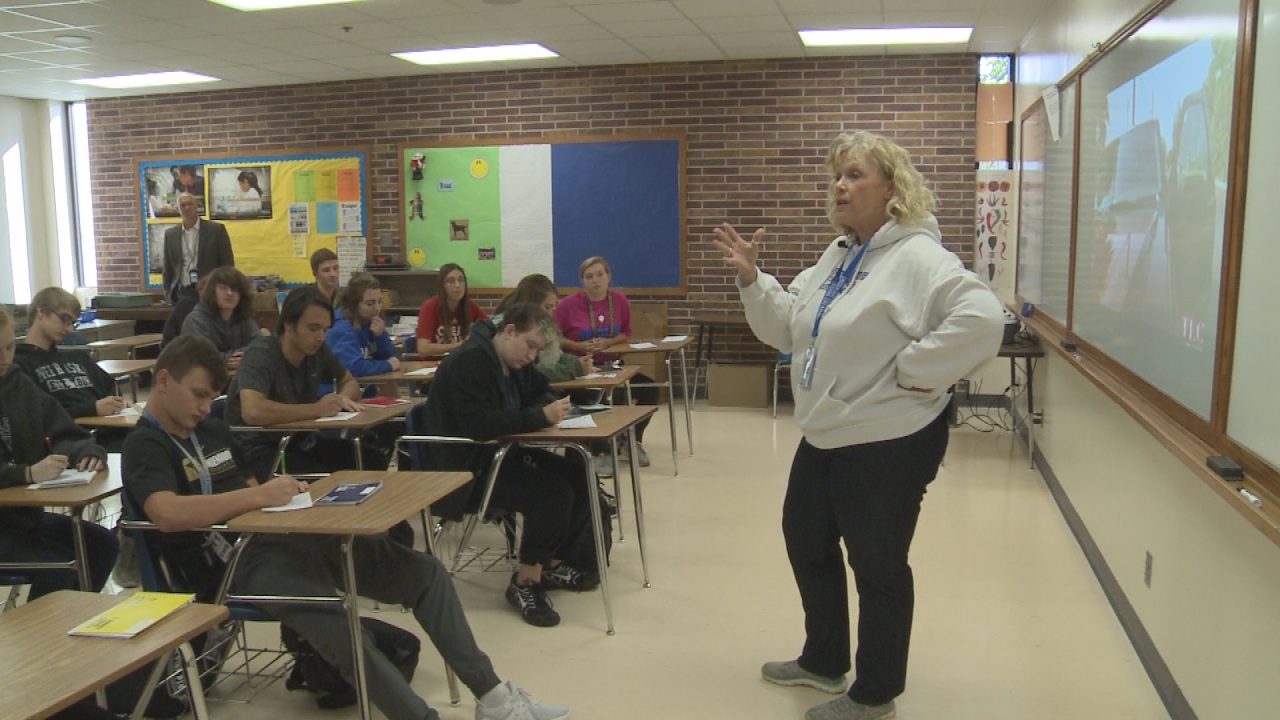
“Peter Kosch is my Chem D teacher. In all my years of school I’ve never liked science or felt like I’ve understood it. That was up until this year,” junior Grace Davidson said. “Since being in his class, so many more things click and I’m able to connect more topics and parts of chemistry together. A specific time was just recently on the ACT when a couple of questions had come up and in my head I thought to myself ‘oh I know this, Peter taught me’ which gave me so much more confidence on the science section than I thought possible.”
A common counter-argument is that our core interests and natural predispositions are set in stone, regardless of who is teaching the classes. It would be unfair to place the entire burden of your future based solely on your experience with teachers. Kosch had an experience which supports this: how an environment can change a job into a passion.
“Oddly enough, I actually didn’t really ever want to teach chemistry, I just kind of ended up in it because of the jobs that were available,” Kosch said. “It was less about teachers that I had, but colleagues and teachers that I work with have made chemistry more fun for me every year I’ve taught it.”
Maybe passion isn’t always a spark from within; sometimes, it’s a product of the people around us. Maybe it’s not so much kids with teachers affecting them and more about the idea that an environment and enthusiasm can influence people to a great extent.
“I think that having teachers who had interests different from mine helped me kind of realize, okay, if somebody likes this, there’s got to be something to it, right?” Kosch said. “So kind of giving me a wake-up call to be a little more open-minded with the subject area if I initially didn’t really like it.”
This open-mindedness is often fueled by the specific vibe of a classroom. When a teacher walks in with genuine energy, they aren’t just reciting a lesson plan; they are curating an atmosphere. If the person who has dedicated their career to the subject thinks it’s fascinating, we start to wonder if we might be missing out on something great.
The average high school student roughly spends more than 1,000 hours every year with our teachers.
As it turns out, we might not actually hate physics or history, we might just be waiting for the right person to tell us the story.