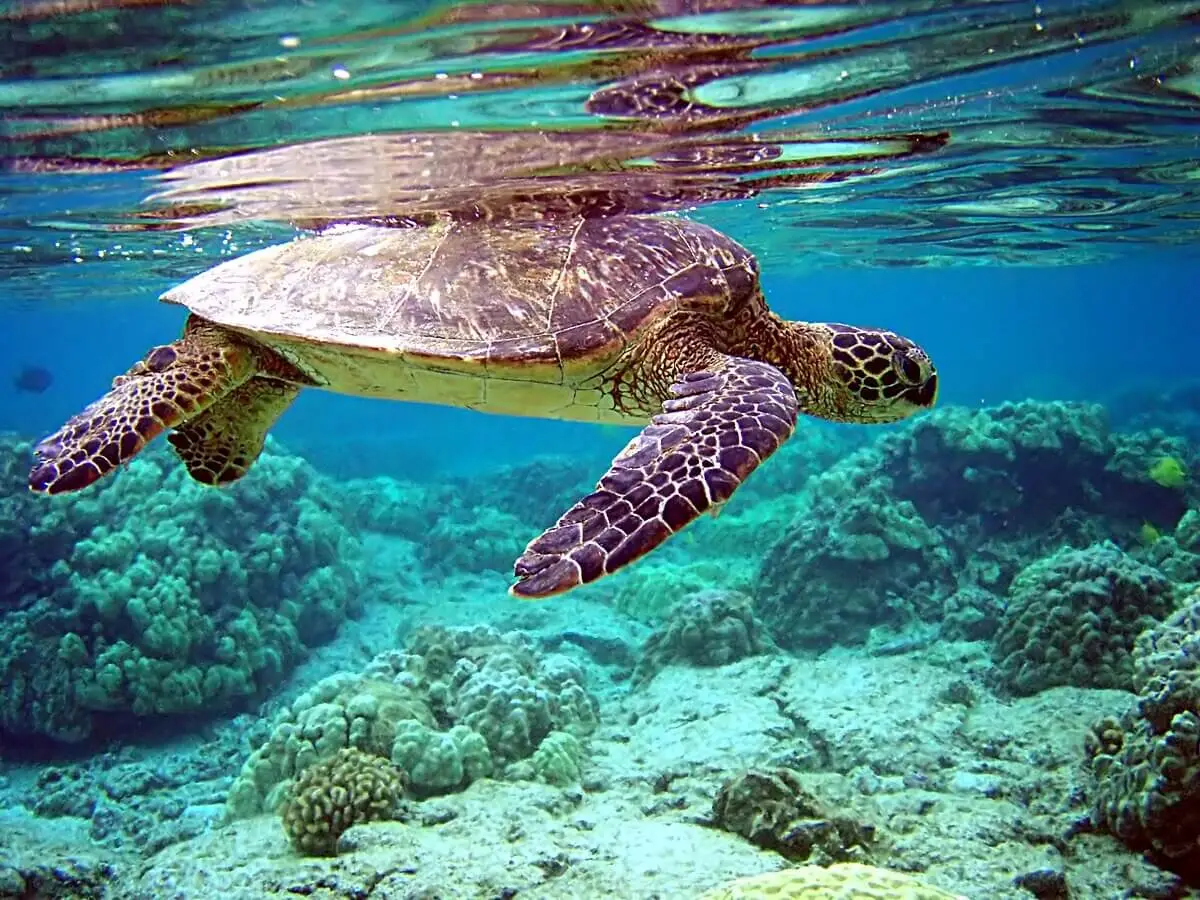
Green sea turtles have recently been moved up from “endangered” to “least concern” according to Earth.org. This is due to an array of conservation efforts and research, but there is still work to be done. Many things have caused harm and disproportionate death to sea turtles in the past decades, and while good news is present, the efforts have to keep going to ensure future abundance of the species.
Efforts in Florida have been made for years and, overwhelmingly, have helped sea turtles. Estuaries (the transition area of freshwater and saltwater) , lagoons, and sea grass beds provide habitat for the turtles in various life stages. Beaches in Florida are very important for sea turtle nests and hatching, making it a priority for conservation. The Sea Turtle Conservancy focuses on Florida and monitors bills to help the species, like regulating single use plastic items, environmental and state land management. They advocate for regulated, well timed, and researched construction on beaches to ensure no harm is done to the turtles, and extensive public hearings to decide on any plans surrounding conservation sites.
“Found in tropical and subtropical waters worldwide, the global population of green turtles has increased approximately 28% since the 1970s, despite ongoing threats to some subpopulations,” an article from IUCN titled Arctic seals threatened by climate change, birds decline globally stated.
As sea turtle habitats get less and less habitable, they have started to find homes in unlikely places. Sea turtle observations have been made in Southern California in warmer waters. The most populated area of sea turtles here is in the lower part of the San Gabriel River near power plants, this is because of the warm waters and foraging opportunities.
“Our results confirm that green sea turtles are frequently present around warm water effluent from power plants, similar to research results reported for other locations in the eastern Pacific Ocean,” an article from the NOAA (National Oceanic and Atmospheric Administration) titled Monitoring Green Sea Turtles in the San Gabriel River of Southern California stated.
Conventional hydro power plants like the ones near the San Gabriel river can negatively affect the environment in many ways including affecting fish migration, the water temperature and flow, and native plants. The power plants some turtles rely on for safety are simultaneously contributing to a factor that harms them.
“I think we need newer technology in our water treatment facilities around the country and more government funding to encourage states to clean up our waste water before it gets discharged,” Kris Jarnigan, Lincoln East High School biology teacher said.
More funding for conservation efforts and education around the ecosystem will greatly benefit these harmed species. Having stable programs available for these causes is a must have, especially for future generations while we go through an environmental decline.
“Perhaps a panel should be set up in each state to prioritize needs according to region with all states contributing to ocean conservation,” Jarnigan states. “It seems to me that the future benefits would be well worth the investment.”
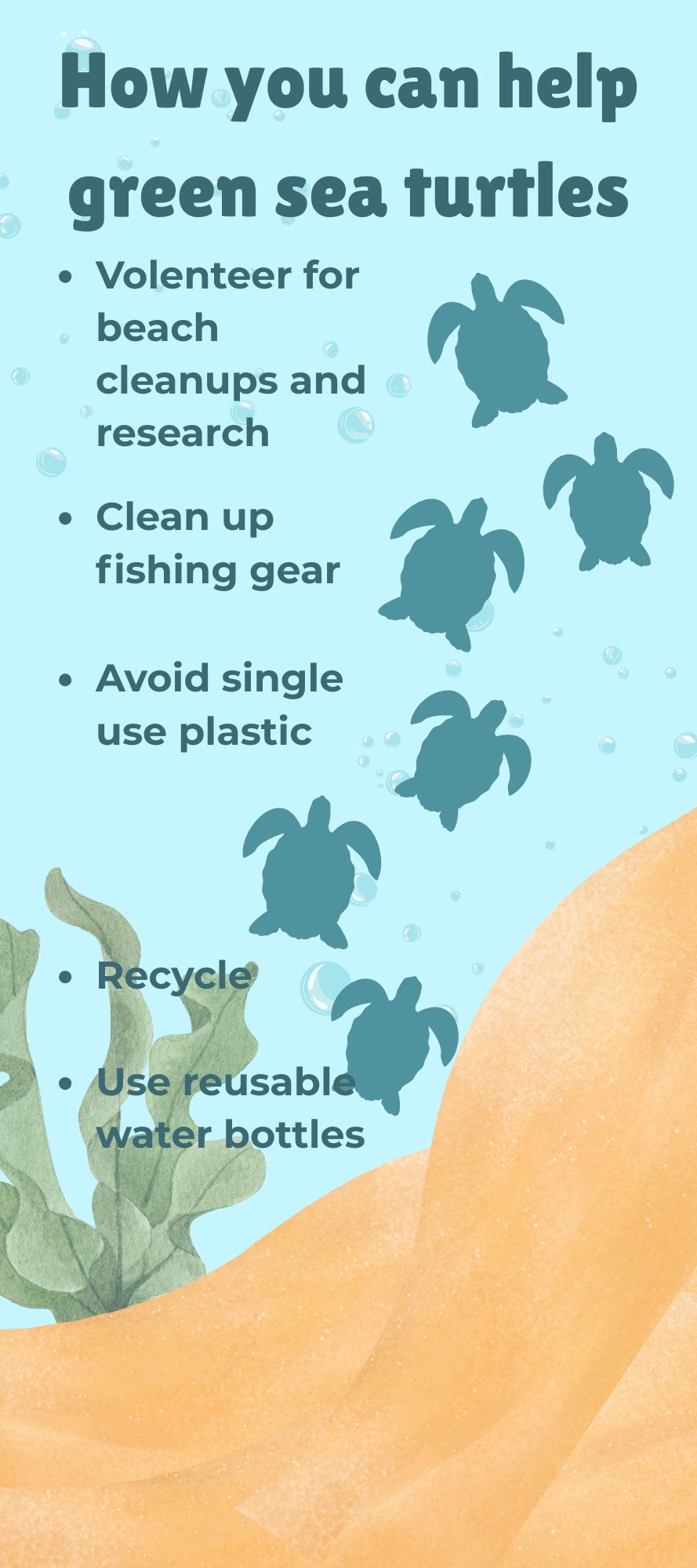
While some of the reasons why sea turtles aren’t endangered anymore seem retroactive, it is still good news that we should be motivated by. There are many ways to help the environment and green sea turtles, especially, that still need to be done after this recente population surge. Marine pollution and debris are still huge threats, as well as oil spills. Using reusable water bottles and cutting down on single use plastic can help prevent turtles from ingesting plastic or getting it stuck on their body. Redirecting light away from the beach and filling any holes in the sand at the beach to prevent obstacles fromor obstructing hatching turtles is another way to protect the species.
“I use plastic free shampoo, conditioner in bar soap with my body and skin care, being completely zero waste, I try to never shop brand new and only buy second hand clothing when I absolutely need something,” Tallulah Luettger, Lincoln East high school sophomore said.
When fishing, don’t throw away extra bait into the water since the turtles can view the area as a safe spot and potentially be captured. Always clean up fishing gear and use a barbless hook to prevent any tangling or snagging. There are many volunteering opportunities in coastal areas for beach cleanup and research on the turtles to get the whole communities involved.
“We are connected in one big web of ecology and mutualism,” Luettger said. “Taking care of every living being is important because if one part of our web is destroyed, the rest will fall down. Everyone and everything deserves the right to life, including all animals.”
Being a positive force, even just one person will improve the environment greatly. When everyone contributes and puts in the effort for our Earth, all sorts of species and land can improve.