The last week of March will be filled with numerous high school seniors sitting at their laptops, anxiously waiting for an email that could change their entire life. Getting that acceptance letter to a dream college will definitely relieve some of that built up tension; in fact, you might even get accepted into a multitude of fantastic places. But for many, the initial excitement of getting in turns into an indecisiveness and stressful mess of picking the supposedly “correct” option. For a generation raised on the belief that every question has a singular right answer, uncertainty can feel like failure. But as the class of 2026 stands at the edge of graduation, many are realizing that the biggest decisions of their lives don’t work that way.
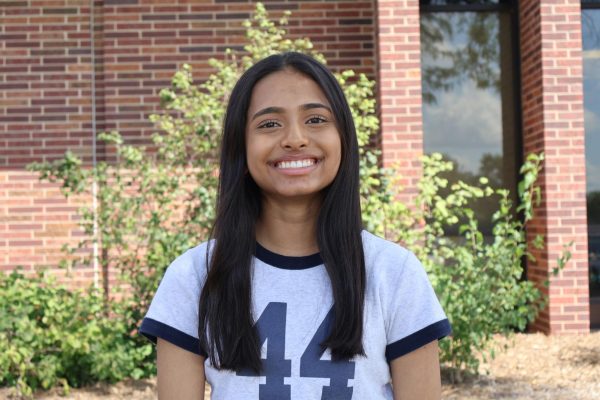
“Some of the biggest decisions I was facing my senior year so far were which schools to apply for college and what field of business I want to go into,” Senior Samarth Sajeesh said. “Some of the biggest factors for me choosing a college are location, tennis and the ranking of the school.”
College majors, opportunities, location, parental pressure, and financial considerations all come into play when making a choice. This combination of factors doesn’t make the decision making process any easier; it just adds fuel to the flame creating even more unnecessary stress to seniors.
“College choices have definitely affected my stress level because it all started out having long conversations with my parents about where to go,” Sajeesh said. “Now with admission decisions coming out this month and next month, I’m definitely really nervous.”
Our society’s intense focus on being “correct,” amplified by constant information intake and social comparison, fuels indecisiveness by fostering perfectionism, fear of failure, and anxiety. This can often make people dread making wrong choices and constantly second-guess their judgment, leading to analysis paralysis and inaction. This creates a cycle where people avoid decisions to prevent potential error, rather than seeing choices as steps, getting stuck in rumination and seeking external validation instead of trusting internal instincts.
“Much of the pressure we feel to make a ‘perfect’ choice stems from how much we associate our choices with our identity,” Sheen Lyengar writes in an NPR article. “Am I sending the right message to you about who I am and what I stand for? That’s a lot of burden to carry. Holding on to the idea of a perfect choice can keep us from actually choosing.”
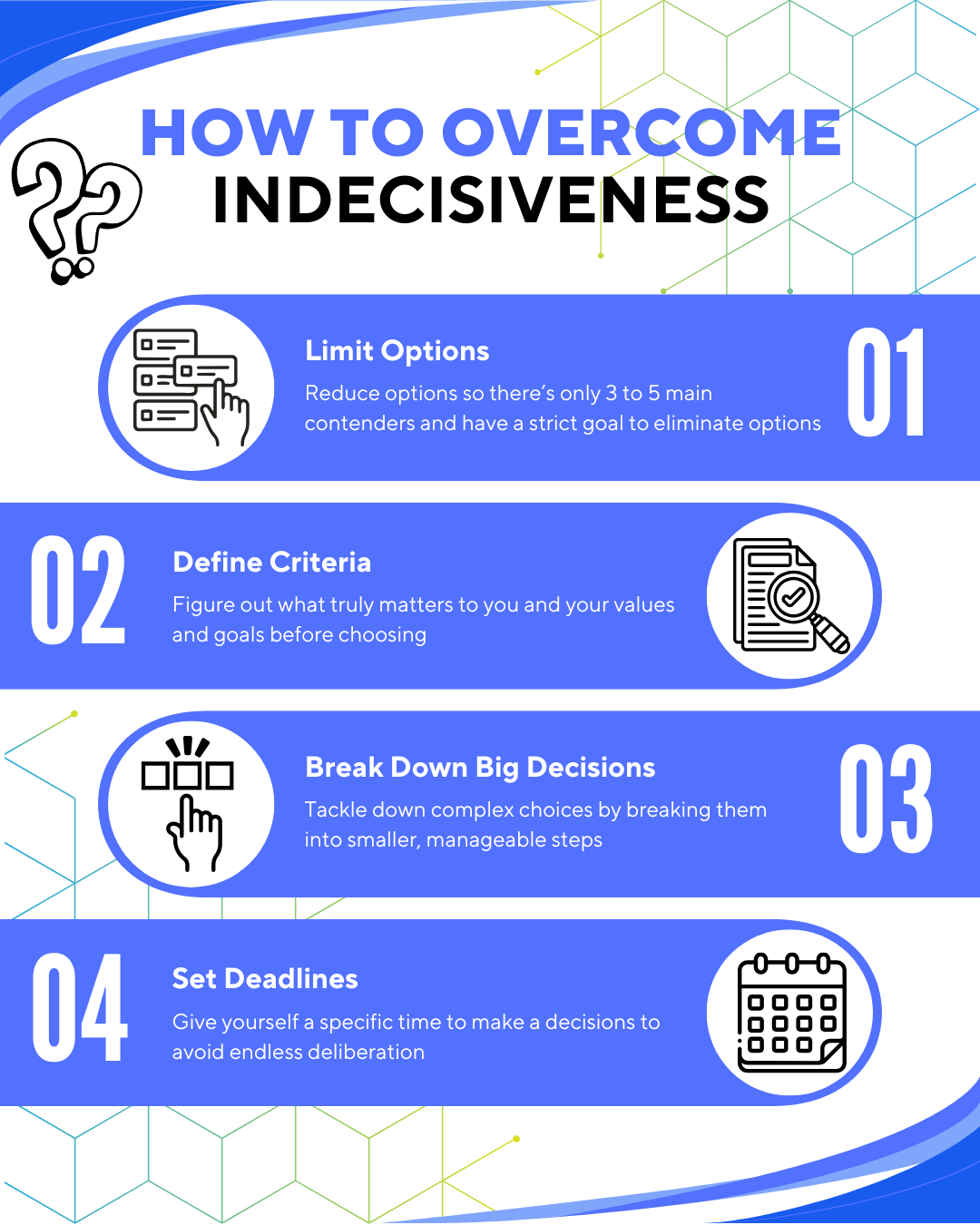
It is human instinct to be hyper-vigilant of others’ opinions of ourselves in order to be socially accepted. This leads to increased pressure to pick the “correct” option and more indecisiveness causing anxiety, burnout, and stress. Some students delay decisions all together, while others commit quickly out of pressure, only to question themselves later. What people often forget is that there isn’t one strict path; our options are often more flexible than we think. Changing majors, transferring schools, or redefining goals is far more common than the linear success stories we are told to believe.
“For me I often go with what I think is right,” Sajeesh said. “It may not be perfect or the right decision, but I go with it because I go with my gut and I hope it all works out. It’s so hard to be perfect and I know that I will make mistakes in my decision-making but I just trust myself and make sure I work out every scenario before making a crucial decision.”
Perhaps the issue isn’t the indecision itself but how we view it. Instead of putting pressure on high school seniors to make the “correct” choice, society should value providing them with the resources for them to feel secure to make their decisions on their own without added stress to be perfect.
As seniors navigate one of the most transitional moments of their lives, it may be time to challenge the idea that there is only one correct answer. The future is not always straightforward, but it’s a series of steps shaped by learning, mistakes, and change. So let’s give some appreciation to the high school seniors moving on to the next stage of their life.