A pair of pink Nike sneakers weighs down the plastic bag handed to my mom by the cashier at Once Upon A Child. I have fond memories of the secondhand store, looking through racks to see what I could find that would fit an elementary schooler. We could afford new clothes from Target or H&M, but with how fast my brother and I grew, it was sensible for my mom to thrift used clothing for us, instead of buying a brand-new pair of shorts that would fit for one summer only.
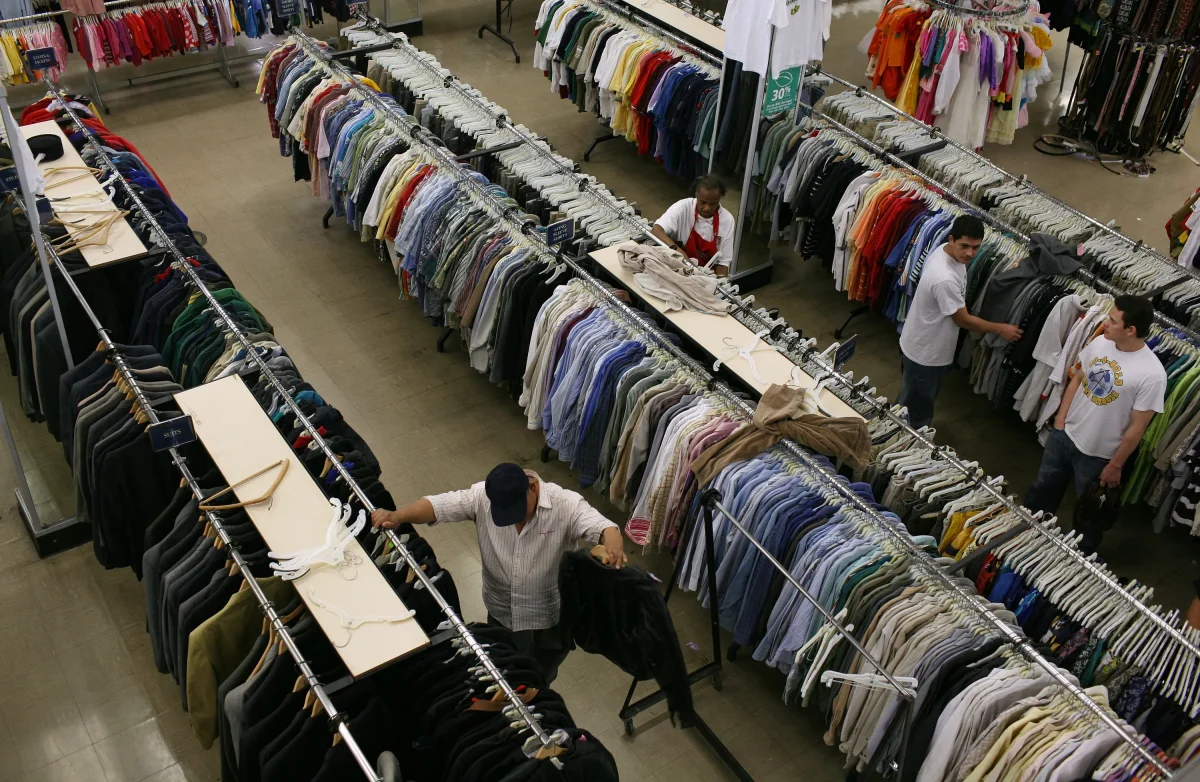
Thrifting has been a way to reduce costs for families globally for more than 150 years, yet the recent rise in popularity is harming the very people it exists to help. As reseller culture grows alongside people who thrift out of fun instead of necessity, it becomes harder and harder for families and low-income households to find what they need, at prices they can afford. Secondhand clothes, once seen as undesirable, are now trendy. 74% of thrift shoppers say reused clothing is more socially acceptable than it was five years ago, according to NYU Confluence, emphasizing the recent change in perception.
Inflation is one of the largest drivers behind an increase in cost-effective shopping. Although inflation reached its peak of the decade at 7% in 2021, the economy has been steadily recovering, but is still above the ideal rate of 2%. As money grew tighter through hiring crises and rising grocery prices, more and more people turned to buying clothing and household items secondhand, popularizing thrifting with the additional help of making it a trend on social media. Goodwill has become an outing rather than a last resort, and though inflation has settled, secondhand prices haven’t gone down alongside. The effects are prominent for long-time shoppers who now have to deal with the increased scope of the secondhand market.
“You’ll go to a thrift event and it’s $60 for a hoodie and it’s stained up and there’s holes,” said Addison Irvin, sophomore, who has been thrifting on her own since sixth grade. “The sleeve is falling off and you’re like ‘Why is this even that expensive?’ But it’s the trend with vintage. Every time I walk into a Goodwill, if you don’t go right when it opens, it’s only the most atrocious stuff or the most horrible quality and it’s all expensive and it’s all too big, and it’s ridiculous.”

It’s particularly conflicting to balance the pros and cons of the secondhand markets’ popularity. Buying secondhand instead of from name-brand sellers reduces clothing waste, extending the lifespan of clothing and keeping it out of the landfill. Additionally, it can contribute to decreased carbon emissions and pollution due to the types of dyes and pesticides used in production of the fabrics, as well as supporting local stores or charities that run thrift shops. But the biggest gentrifier of thrifting has been the reseller culture that has developed both in-person and online.
Apps like Depop, Poshmark, and ThredUp, intended to make low thrifted prices more accessible, have given resellers the opportunity to hike prices up for materials that the consumer can’t even feel or try on, scalping clothes for cheap and then selling at a high markup.
“I actually cannot stand reseller culture,” continues Irvin. “As someone who resells my clothes, I sell them for like ten bucks a piece, because there’s no reason you should be charging so much money for one piece of clothing. It’s taken the pricing of old clothes way out of proportion to the point where people can only afford the SHEIN quality clothes. And that causes them to spend more money because that’s not lasting very long.”
Some, though, see reselling as mainly a side job, instead of a purely negative aspect of thrifting. Upcycling clothing is an environmentally-friendly hobby for especially crafty consumers.
“It’s a good way for some resellers to make money,” said Cara Heminger, a teacher at East who frequents estate sales and secondhand stores. “I’ve noticed some resellers are even taking clothes and making blankets, vests, dresses and shirts out of it, so I think that’s really good to be a creative art to people.”
Unfortunately, as with most things, there’s no black-and-white answer for if thrifting is a net gain or loss for society. Some argue that while it’s better for the environment, it still doesn’t solve overconsumption, and there’s no doubt that a solution needs to be found for the people whose only option is secondhand, as prices increase and quality continues to drop. The impacts of secondhand gentrification are both positive and negative, but it’s up to the consumers whether they make a change.